About
Keith Annis.
Founder of Mission Craft. Built for the answers he needed at forty but couldn't find.
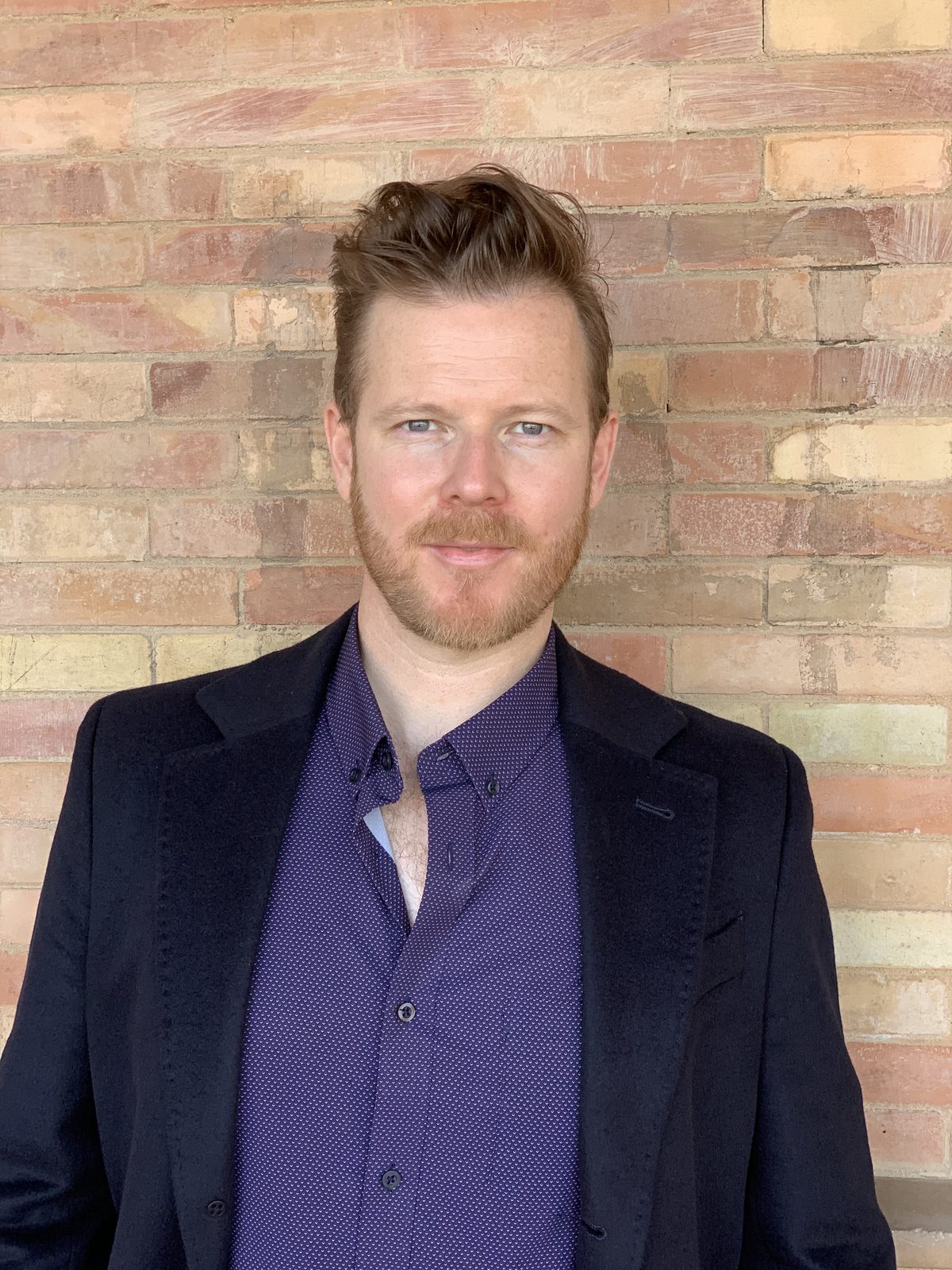
Founder of Mission Craft. Built for the answers he needed at forty but couldn't find.
Keith spent the first seventeen years of his career in education project management. Building academic, training, and professional learning programs for organizations across three countries. The work was meaningful. He was good at it. He kept getting raises and promotions and rooms full of grateful colleagues.
Around the time he turned forty, the work stopped meaning what it used to. He found himself at a crossroads, asking questions he hadn't asked since his twenties. What was the direction here, exactly? What was the next twenty years actually for?
What he did have was a master's in counseling psychology and fifteen years of coaching credentials he'd accumulated alongside the day job. So he ran the inventory on himself. Took apart his values. Retired the definition of success he'd been carrying since twenty-two. Drafted a mission statement, framed it, and put it on his desk.
The framework he built for himself became the Mission Craft Method. He started running it for others, first informally, then as a paid practice. The men who finished it described the same outcome in different words: a clearer sense of what the next twenty years were going to be for.
Mission Craft is what he wishes had existed when he was forty.
Keith continues to work full time in education project management. Mission Craft is a side practice, built deliberately on the side. He doesn't believe the people best equipped to help mid-career men are necessarily those who have left the working world.
His clients are running real careers, real homes, real transitions. He runs the same. The work scales because he scales it, in the same evenings and weekends his clients are using to read, reflect, and write. There is no full-time guru on the other end of the call. There is a man who, between sessions, gets back to a project schedule, a call with his mother's doctor, and a Sunday roast.
When the day comes that the practice supports it, he will move to it full time. Until then, the parallel structure is a feature, not an apology. The customer gets a coach who is in the same chair he is. Running a real role, building a real practice, working through the same questions about the next twenty years on his own terms.
The premise of solution-focused coaching is that most of the answers to the important questions about your life are already inside you. The work of the engagement is to surface them, structure them, and put them on a page.
Keith listens, asks, challenges where it serves the work, and stays out of the way otherwise. He doesn't tell clients what to do. The mission is theirs. The artifacts are theirs. What he brings is the structure of the method, the discipline of the cadence, and the questions men in midlife are unlikely to be asked anywhere else.
Mission Craft is a six-session 1:1 engagement built around four lenses of self-knowledge (Values, Strengths, Aim, Legacy) and one deliverable: a personal mission statement and a twelve-month plan, both written, both yours to keep.
The arc is intentional.
Identity to outcome.
Present to future.
Mission Craft began with the mission I wrote for myself. Here it is.
"I will guide the work of reinvention for men whose career stopped feeling like enough, using two decades of project management leadership and a quiet, structured way of asking the questions most men avoid, so they leave with a written plan they actually use, not another book they leave on the shelf."
Written using the four-lens method clients build.
Most clients will never check. The ones who do are welcome to.
A free 45-minute Discovery call is where it starts. Book below.